A Beginner’s Guide to Pakistani Spices: What Each One Actually Does
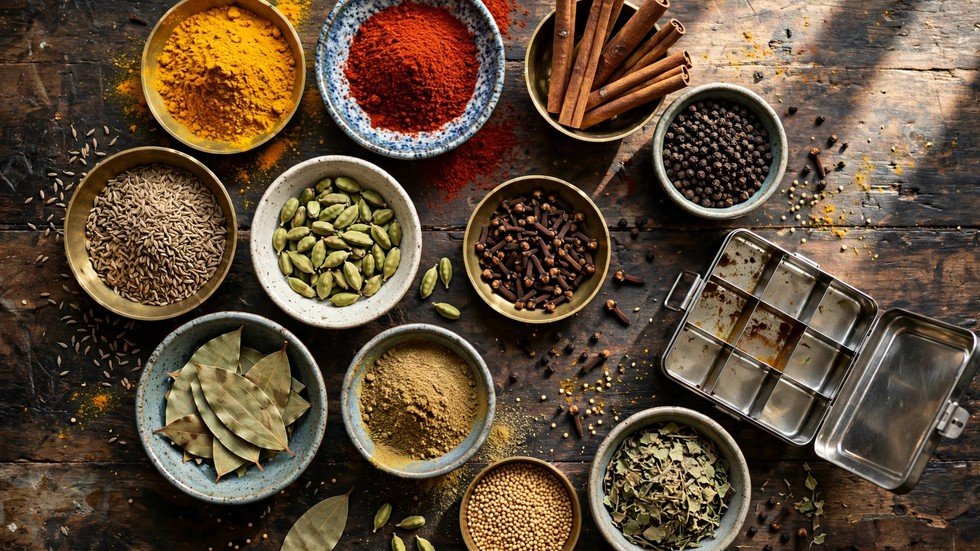
I still remember the first time I stood in front of my mother’s steel masala dabba — that round spice box with seven little bowls — and wished for a simple pakistani spices guide, because I felt like I’d been handed the controls of an airplane. She’d toss pinches of this and that into the pan without measuring a thing, and dinner tasted like magic every single time. When I finally got my own kitchen, I did what any overconfident beginner does: I bought every spice in the store, threw them all into a curry at once, and produced something that tasted like scented candles.
Nobody had ever told me what each spice actually does. Cookbooks listed them like a chemistry inventory — “add 1 tsp cumin” — without explaining why. So I spent two years figuring it out the slow way: one spice at a time, tasting as I went, ruining a few dinners, and eventually building the instinct my mother seemed born with.
This pakistani spices guide is the one I wish someone had handed me on day one. Fifteen spices, plain explanations, no mystique. By the end, you’ll know exactly what each one brings to the pan and when to reach for it.
Quick Stats
- Spices Covered: 15 essential Pakistani spices
- Reading Time: 10 minutes
- Skill Level: Absolute beginner
- What You’ll Gain: The confidence to season without a recipe
- Best Next Step: Fill one small masala dabba with the core seven
What You’ll Need
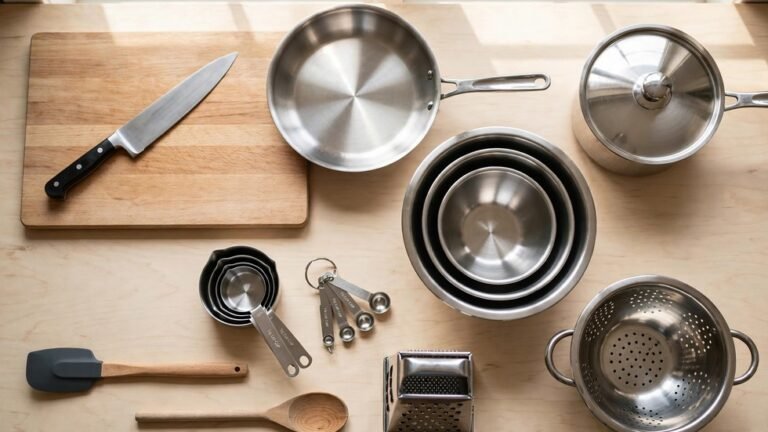
Before the spices themselves, set yourself up with the right storage. Spices die in bad storage — light, heat, and air are the three killers.
- A masala dabba or small airtight jars — the traditional steel spice box with a tight lid is perfect. Small glass jars with screw tops work just as well. What matters is airtight and opaque, or stored in a dark cupboard.
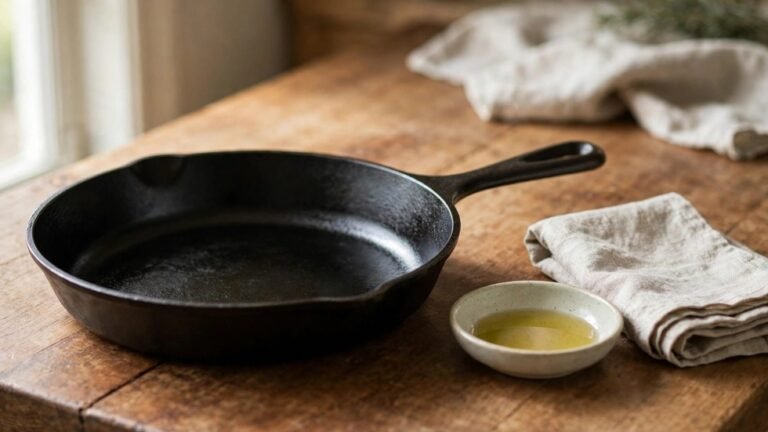
- A dry skillet — for dry-roasting whole spices, which wakes up their oils. You’ll use this constantly.
- A spice grinder or mortar and pestle — freshly ground cumin and coriander taste like a different ingredient compared to the pre-ground dust. A cheap blade coffee grinder reserved for spices is fine.
- Labels and a marker — ground cumin and ground coriander look identical. Label everything or suffer the consequences. I learned this the hard way with a “cumin” cake.
The Core Spices: What Each One Actually Does
Cumin (Zeera) — the warm, nutty backbone
If Pakistani cooking has a signature flavor, cumin is half of it. Whole cumin seeds are warm, nutty, and slightly peppery; ground cumin is earthier and more intense. Whole seeds go into hot oil at the start (tadka/tempering) where they sizzle and bloom. Ground cumin goes in with the other powdered spices during bhunofying. Buy whole seeds and grind them yourself — pre-ground cumin loses its punch within weeks, while whole seeds stay potent for a year.
Coriander Powder (Dhania) — the quiet thickener
Ground coriander is the unsung hero of curry. On its own it tastes mild, citrusy, and slightly sweet — nothing dramatic. Its real job is body: it thickens the masala and rounds out sharper spices. Most Pakistani curries use roughly equal parts cumin and coriander powder. If your curry tastes “thin” or one-dimensional, it’s often short on coriander powder, not short on heat.
Turmeric (Haldi) — color and earthiness
Turmeric gives curry its golden color and a mild, earthy base note. It is not a flavor bomb — anyone telling you to add tablespoons of it is making medicine, not dinner. A quarter to half a teaspoon per dish is plenty. Add it with the other ground spices so it cooks in oil; raw turmeric tastes chalky and bitter. It also stains everything it touches, so handle with respect and wash your hands quickly.
Red Chili Powder (Lal Mirch) — the heat dial
This is your heat control. Pakistani red chili powder (often made from long red chilies) is hotter than paprika and fruitier than cayenne. Add it early with the masala so the heat melts evenly through the dish. A useful rule: you can always add more heat at the end, but you can never take it back. Start with half of what the recipe says if you’re unsure.
Black Pepper (Kali Mirch) — the warm, floral heat
Black pepper brings a different kind of heat than chilies — warmer, more aromatic, with almost floral notes when freshly cracked. In dishes like karahi, it’s the star rather than a backup. Always add black pepper near the end of cooking; long simmering dulls its aroma. And please, grind it fresh. Pre-ground black pepper is a ghost of the real thing.
Green Cardamom (Choti Elaichi) — the sweet perfume
Green cardamom is sweet, floral, and intensely aromatic — the perfume of biryani, kheer, and chai. Use the whole pods in rice dishes and slow curries; crack them lightly so the flavor escapes. A little goes a long way: three to four pods perfume an entire pot of biryani. Fish out whole pods before serving, or warn your guests — biting into one is a surprise nobody enjoys twice.
Black Cardamom (Bari Elaichi) — the smoky depth
Black cardamom is green cardamom’s rugged cousin: larger, darker, with a smoky, almost menthol depth. It goes into heavy, slow-cooked dishes — nihari, paye, rich meat curries — where its intensity has time to mellow. Never substitute one for the other; they taste nothing alike. One or two pods per pot is enough.
Cloves (Laung) — the potent spike
Cloves are intensely aromatic, sweet, and slightly numbing. They’re powerful, so count them: three to four cloves for a family-sized curry. They go in whole at the start with the oil, and like cardamom, they’re fished out (or dodged) at the table. Too many cloves will bulldoze every other flavor in the dish.
Cinnamon (Dalchini) — the sweet warmth
Pakistani cinnamon (cassia, the thick bark sticks) adds sweet warmth to biryanis, pulaos, and meat curries. A two-inch stick per pot is the standard measure. It goes in whole at the beginning and simmers along, releasing flavor slowly. Break sticks into pieces for more surface area in quick dishes.
Bay Leaves (Tez Patta) — the background bass note
Bay leaves add a subtle, savory depth you notice more in their absence than their presence. Toss one or two into rice, daal, or curry at the start; remove before serving. They never soften, and nobody wants to chew one. If your biryani tastes “flat” despite correct spices, a bay leaf is often the missing piece.
Mustard Seeds (Rai) — the popping temper
Tiny black mustard seeds are the signature of the tadka: they hit hot oil and pop like miniature popcorn, releasing a sharp, pungent flavor that mellows into nuttiness. They’re essential in daal tadka and many vegetable dishes. The trick is hot oil and a lid — the seeds jump, and you don’t want them all over your stove. Once the popping slows, the tempering is done.
Fenugreek — Seeds (Methi Dana) and Dried Leaves (Kasuri Methi)
Two forms, two personalities. The tiny amber seeds are bitter and potent — a quarter teaspoon in hot oil at the start adds a distinctive bitter depth to pickles and some curries, but more than that ruins the dish. The dried leaves (kasuri methi) are the beloved one: crush a tablespoon between your palms over a finished curry and it releases an incredible savory-sweet aroma. It’s the “restaurant taste” in butter chicken and daal makhani. The leaves go in at the very end, never at the start.
Garam Masala — the finishing blend
Garam masala isn’t one spice but a blend — typically cardamom, cinnamon, cloves, black pepper, and cumin, roasted and ground. Its job is aroma, not base flavor, which is why it goes in during the last five minutes of cooking or even after the heat is off. Adding it early cooks away the volatile oils that make it special. Every family’s blend differs slightly; store-bought is fine, but try making your own once — dry-roast the whole spices, grind, and you’ll never go back.
Carom Seeds (Ajwain) — the sharp, thyme-like bite
Ajwain tastes like a punchier, more aggressive thyme with a hint of anise. It’s the signature flavor in pakora batter, parathas, and many fried snacks, where it also aids digestion of heavy food. Use sparingly — half a teaspoon per batch of dough. It’s also my secret weapon in bean and lentil dishes, where its sharpness cuts through earthiness.
Fennel Seeds (Saunf) — the sweet finish
Fennel seeds are sweet, mild, and faintly like licorice. They appear in some curry blends, in pickles (achar), and — most famously — in the little bowl of after-dinner mints at desi restaurants. Toasted fennel crushed over roasted vegetables is quietly wonderful. Like ajwain, a little goes far.
Whole vs. Ground: When to Use Which
This is the rule that took me longest to learn, and it’s simple: whole spices go in early, ground spices go in the middle, finishing blends go in late.
Whole spices need time and fat to release flavor — they bloom in hot oil at the start or simmer in liquid for the duration. Ground spices release flavor fast but burn fast too, so they join the party with the tomatoes or onions, always with enough moisture or oil around them. Garam masala and kasuri methi are finishers; heat destroys what makes them special.
When a recipe says “1 teaspoon cumin,” check whether it means seeds or powder. They’re not interchangeable — seeds are milder and nuttier, powder is more intense and earthy. When in doubt, whole seeds in oil at the start is the safer, more forgiving choice.
When to Add Spices: The Three Stages
Stage 1 — Tempering (tadka/bhagar): Whole spices hit hot oil first. Cumin seeds, mustard seeds, cloves, cinnamon, cardamom, bay leaves. Thirty seconds to a minute, until fragrant. This perfumes the oil, and everything cooked afterward absorbs it.
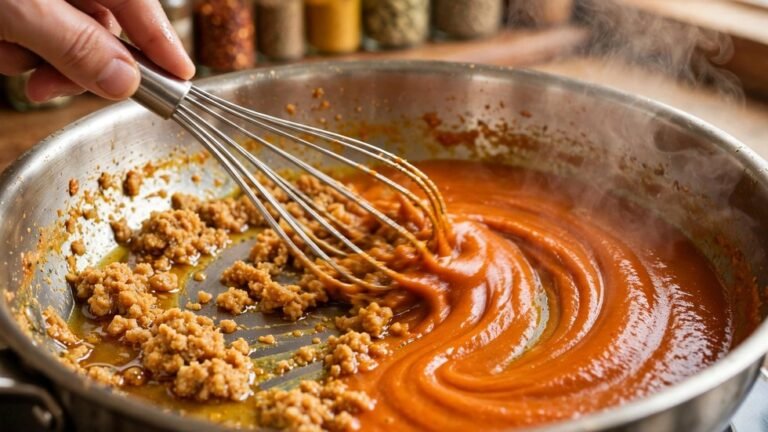
Stage 2 — Bhunofying: Ground spices (coriander, cumin powder, turmeric, chili powder) go in with the wet masala — tomatoes, onions, ginger-garlic paste. They need moisture so they don’t scorch, and 3–5 minutes of frying in the masala cooks out their rawness. This is where curry flavor is actually built.
Stage 3 — Finishing: Garam masala, kasuri methi, fresh coriander, julienned ginger, black pepper. The last five minutes or after the heat is off. These are aromas, and aromas are fragile.
How to Store Spices (So They Don’t Die in a Month)
Buy whole spices in small quantities — a small bag, not a kilo. Store everything airtight, away from the stove’s heat and away from light; the cute open rack above your cooker is where spices go to die. Ground spices stay potent about 6 months, whole spices about a year. Test old spices by crushing a pinch and smelling: if the aroma is faint, it’s time to replace. And never sprinkle directly from the jar over a steaming pot — the steam introduces moisture and clumps the whole jar. Pour into your palm or a small bowl first.
Pro Kitchen Tips for This Pakistani Spices Guide
- Dry-roast before grinding. Two minutes in a dry skillet transforms cumin and coriander seeds — the aroma that rises tells you exactly when they’re done. Cool, then grind. This one habit upgrades every curry you make.
- Bloom ground spices in oil, never in dry heat. Ground spices burn in seconds on a dry pan. They need fat or moisture around them. If your masala looks dry when you add them, splash in a spoon of water first.
- Date your jars. A small piece of masking tape with the purchase month ends the mystery of “how old is this turmeric.” Six months for ground, twelve for whole — then replace.
- Taste the spice, not just the dish. Put a tiny pinch of any new spice on your tongue. That ten-second experiment teaches you more than any description. Cumin is nutty, ajwain is aggressive, fennel is sweet — now you know them personally.
- Build a starter dabba of seven. If the full fifteen overwhelm you, start here: cumin seeds, coriander powder, turmeric, red chili powder, garam masala, black peppercorns, and salt. You can cook 80% of Pakistani food with just these.
Troubleshooting Advice
- My curry tastes bitter. Usually burnt ground spices or too much fenugreek seed. Next time, add ground spices only with wet ingredients and keep fenugreek seeds under a quarter teaspoon. For the current pot, a spoon of yogurt or a pinch of sugar can round off mild bitterness.
- Everything tastes the same. You’re probably adding all spices at the same stage. Separate them: whole spices early in oil, ground spices with the masala, garam masala at the end. Staging creates layers instead of muddle.
- My biryani lacks that restaurant aroma. Two fixes: add garam masala in the final five minutes (not earlier), and crush kasuri methi over the top before the dum (steaming) stage. Most home biryanis under-season the finishing stage.
- Whole spices are unpleasant to bite into. Fish out the big ones (bay leaves, cinnamon sticks, black cardamom) before serving, or tie them in a small muslin cloth — a bouquet garni, desi style — and lift the whole bundle out.
- My spice jars have no smell left. They’re dead. Whole spices older than a year and ground spices older than six months have lost their volatile oils. Replace them and store the new ones away from heat and light.
FAQs
How many spices do I actually need to start cooking Pakistani food?
Seven will carry you remarkably far: cumin seeds, coriander powder, turmeric, red chili powder, garam masala, black pepper, and salt. Add green cardamom and cinnamon when you attempt biryani, and kasuri methi when you want that restaurant finish. Buy the rest as specific recipes demand them.
Are expensive spice brands worth it?
Freshness matters far more than brand. A freshly ground batch from a cheap whole-seed bag beats a premium pre-ground jar that’s been open for a year. Spend your money on a grinder, not on fancy labels — and buy small quantities often.
Can I substitute ground spices for whole and vice versa?
Roughly, yes, with adjustments. One teaspoon of whole cumin seeds equals about three-quarters of a teaspoon ground (grinding concentrates it). But the flavor differs: whole seeds are nuttier and milder, powder is earthier and stronger. For tempering in hot oil, whole is always better; for quick weeknight masalas, ground is more practical.
Learning spices is really learning to taste with intention. Pick one unfamiliar spice this week — maybe ajwain, maybe black cardamom — and cook something simple with it. Smell it raw, taste a pinch, add it at the right stage, and notice what changes. Do that fifteen times and you’ll have the instinct. The masala dabba stops looking like an airplane cockpit and starts looking like what it is: dinner, waiting to happen.
You might also like: 15-Minute Chicken Karahi for Busy Weeknights