Air Fryer Frozen Snacks Guide: Parathas, Nuggets & More
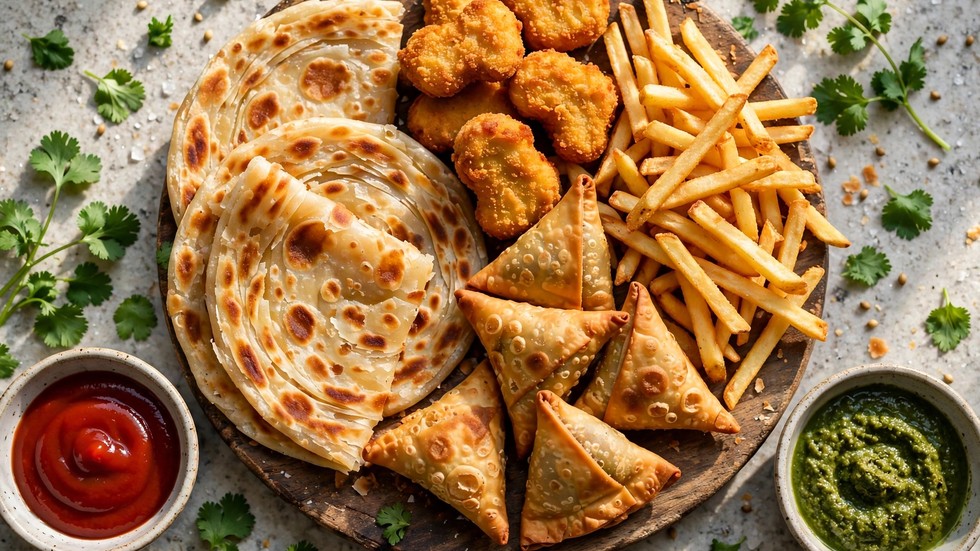
My freezer has a drawer I call the emergency drawer. This air fryer frozen snacks time and temperature guide is the cheat sheet I wish I’d had on day one. Frozen parathas, a bag of chicken nuggets, samosas from the last grocery run, spring rolls I bought on a whim. For years, cooking from that drawer meant heating up the big oven for twenty-five minutes for a handful of snacks — or worse, the microwave, which turns samosas into sad, chewy envelopes. Then the air fryer arrived, and the emergency drawer became the best drawer in my kitchen.
Here’s what nobody tells you when you unbox an air fryer: frozen snacks are its superpower. The machine was practically designed for them. The blast of circulating hot air does exactly what a deep fryer does to a frozen coating — drives off surface moisture fast and crisps the outside — without a pot of oil and without heating the whole kitchen. A frozen paratha goes from ice-hard to flaky and blistered in about eight minutes. Nuggets come out crunchier than the oven ever managed. I’ve tested every snack in my freezer drawer, some of them multiple times, and this guide is the result: exact times and temperatures, plus the small tricks that separate good from great.
Quick Stats
- Prep Time: 2 minutes (open the bag, basically)
- Cook Time: 6–15 minutes depending on the snack
- Total Time: Under 20 minutes, always
- Servings: 2–4 as a snack
- Difficulty: Easy
- Best Served With: Ketchup, mint chutney, imli chutney, or garlic mayo
Equipment Needed
- An air fryer (3.5 liters or bigger) — this guide assumes a standard basket-style fryer. If yours is an oven-style with racks, the same times apply but you may need to rotate the trays halfway.
- Tongs — flipping frozen snacks with tongs is faster and safer than shaking for delicate items like samosas, where a vigorous shake can crack the pastry.
- A light oil spray or a pastry brush — most frozen snacks need no added oil at all, but a whisper of oil on parathas and fries takes them from good to shatteringly crisp.
- A wire rack or plate lined with a paper towel — for resting. Two minutes of resting lets the crust set and the steam escape instead of getting trapped under the snack and softening it.
What You’ll Need
I’m covering the eight frozen snacks that live in most freezers. No thawing needed for any of these — cook straight from frozen.
- Frozen parathas (plain or stuffed) — the desi freezer staple. They puff, blister, and flake in the air fryer with almost no oil. Stuffed aloo or keema parathas work too; they just need a couple of extra minutes.
- Chicken nuggets or chicken strips — the coating crisps up beautifully. The air fryer beats the oven here by a mile because the circulating air hits all sides at once.
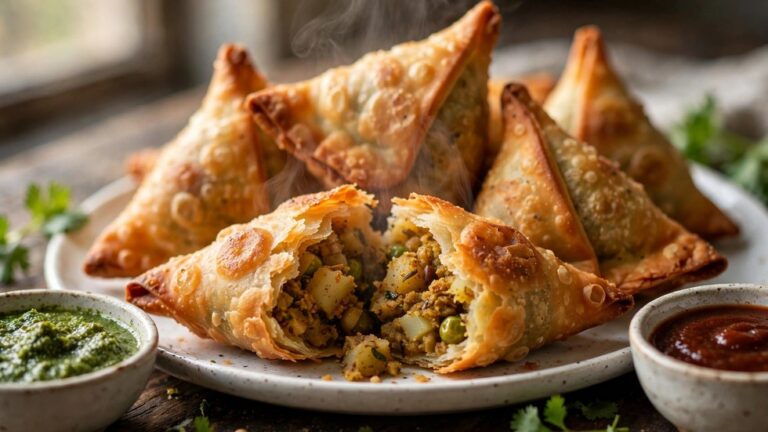
- Samosas (frozen, uncooked pastry) — the pastry blisters and turns golden. These need gentle handling and slightly lower heat so the filling cooks through before the pastry over-browns.
- Spring rolls — similar to samosas but thinner, so they cook faster and get lacquer-crisp. Watch them closely in the last two minutes.
- French fries (frozen) — the classic. A thin coat of oil and a good shake halfway gives you fries that genuinely rival deep-fried ones.
- Fish fingers — the breadcrumb coating goes deeply golden. They cook fast, so don’t walk away.
- Mozzarella sticks — the highest-risk, highest-reward snack on this list. Cooked right, they’re molten inside with a crisp shell; cooked wrong, they’re a cheese volcano in your basket.
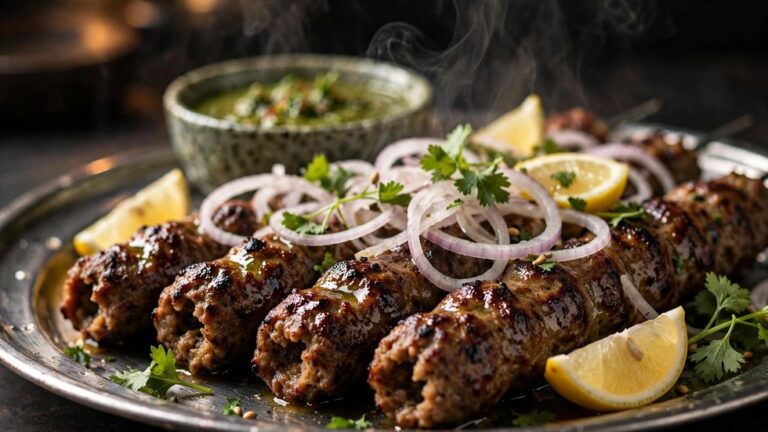
- Seekh kebabs or shami kebabs (frozen) — they char nicely at the edges and stay juicy inside. A light brush of oil keeps the surface from drying.
Pantry helpers:
- Cooking oil spray or 1–2 teaspoons of oil — for parathas, fries, and kebabs. Nuggets, samosas, spring rolls, and fish fingers have enough fat in their coatings already.
- Salt, chaat masala, or peri-peri seasoning — for finishing fries and nuggets while they’re hot. Seasoning sticks to hot oil; it bounces off cold snacks.
- Your dipping sauces of choice — ketchup, mint chutney, imli (tamarind) chutney, garlic mayo. A great dip makes a good snack feel like an occasion.
Air Fryer Frozen Snacks Time and Temperature Chart
Step 1: Preheat the air fryer for 3–5 minutes.
I know — for a two-minute-prep snack, preheating feels like overkill. It isn’t. Frozen food hitting a cold basket sits there thawing in its own meltwater instead of crisping, and you lose the entire advantage of the air fryer. Preheat to your snack’s temperature while you arrange things. Those five minutes are the difference between crispy and steamy.
Step 2: Arrange in a single layer with breathing room — no stacking, no crowding.
This is the golden rule of the entire guide. Every piece needs hot air flowing around it. Overlapping nuggets steam each other; stacked fries go limp in the middle. Cook in batches if your basket is small — a second batch takes eight more minutes, but a crowded single batch takes longer and tastes worse. For parathas, lay them flat in one layer; they puff up and need the space.
Step 3: Cook each snack at its exact time and temperature — the full reference.
- Frozen parathas (plain): 180°C for 7–8 minutes, flipping once halfway. Brush or spray very lightly with oil on both sides before cooking. They’ll puff, blister, and develop golden-brown spots. If you like them extra crisp, give them 1–2 more minutes — but watch stuffed parathas, since the filling can burst through if overcooked.
- Frozen parathas (stuffed — aloo, keema, paneer): 180°C for 9–11 minutes, flipping halfway. The filling needs the extra time to heat through to the center. Press the center gently with tongs at the end — it should feel hot and soft, not cold and firm.
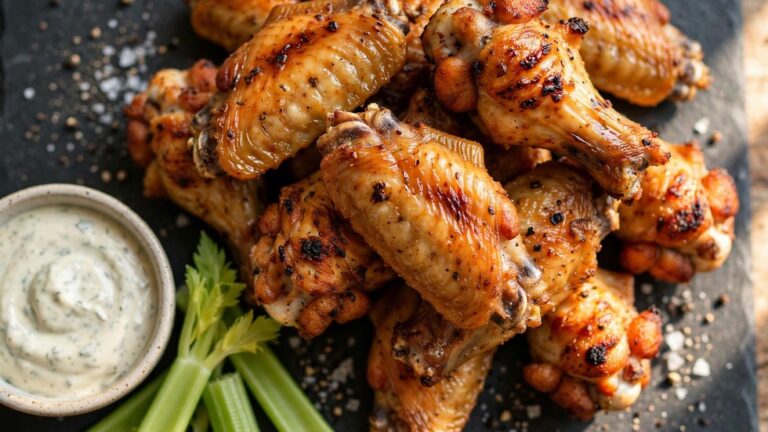
- Chicken nuggets: 200°C for 8–10 minutes, shaking halfway. No oil needed. They’re done when the coating is deep golden and audibly crisp when you tap one with tongs.
- Chicken strips/tenders: 200°C for 10–12 minutes, flipping halfway. Thicker than nuggets, so they need the extra couple of minutes for the center to cook through.
- Samosas: 180°C for 12–15 minutes, flipping gently halfway with tongs. Lower heat matters here: the raw pastry needs time, and high heat browns the outside before the potato filling is hot. They’re done when the pastry is golden all over and the base feels firm, not doughy.
- Spring rolls: 190°C for 8–10 minutes, flipping halfway. They’re thinner than samosas so they cook faster — check at 8 minutes because they go from golden to over-brown quickly.
- French fries: 200°C for 12–15 minutes, shaking vigorously halfway. Toss with a teaspoon of oil and salt before cooking. Thick-cut fries need the full 15; thin shoestring fries can be done in 10–12. Don’t salt until after if you’re using chaat masala — add it in the last 2 minutes so the spices don’t burn.
- Fish fingers: 200°C for 8–10 minutes, flipping halfway. No oil needed. They go from frozen to deeply golden fast, so set a timer.
- Mozzarella sticks: 190°C for 6–8 minutes — and do not walk away. Freeze them solid (they should go straight from freezer to fryer), cook in a single layer, and pull them the moment the coating is golden. One minute too long and the cheese breaches the coating. If one does burst, it’s still delicious — just harder to clean.
- Seekh kebabs / shami kebabs (frozen): 190°C for 10–12 minutes, flipping halfway, with a light brush of oil. They’re done when the outside is charred at the edges and the center is steaming hot. Let them rest 2 minutes so the juices redistribute.
Why these temperatures work: the coating or pastry on a frozen snack is essentially a thin shell that needs fast, dry heat to crisp before the interior overcooks. Higher heat (200°C) suits thin, pre-cooked coatings like nuggets and fries. Lower heat (180°C) suits raw pastry like samosas and delicate items like parathas, where the inside needs time to catch up with the outside.
Step 4: Flip or shake halfway — every single time.
The heating element is above the basket, so the tops cook faster. For sturdy snacks (nuggets, fries, fish fingers), a firm shake redistributes everything. For delicate ones (samosas, spring rolls, parathas), flip each piece gently with tongs. This one action is responsible for maybe 40% of the even browning you’ll get. Set a timer for the halfway point — “I’ll remember” is how one side ends up pale.
Step 5: Rest for 2 minutes before serving.
Fresh out of the fryer, the crust is at its most fragile and the inside is molten. Two minutes on a wire rack lets the coating set into its final crispness and lets steam escape instead of getting trapped underneath and softening the bottom. This is also when you season: toss hot fries and nuggets with salt, chaat masala, or peri-peri while the surface oil is still tacky enough to grab it.
Pro Kitchen Tips
- Never thaw before air frying. This is the opposite of oven logic, where thawing helps. In the air fryer, cooking from frozen is the advantage: the ice crystals on the surface sublimate in the hot air blast, which actually helps the coating crisp. Thawed snacks go in wet and come out soggy. Straight from freezer to fryer, every time.
- A single layer beats a full basket, always. I tested this directly: one crowded batch of fries versus two spaced-out batches. The two batches took 6 minutes longer total and tasted dramatically better — crisp all over instead of crisp on top and limp underneath. Batch cooking is the price of crispness.
- Season while hot, not before (for dry spices). Salt is fine before cooking, but chaat masala, peri-peri, and other spice blends contain delicate aromatics that scorch at 200°C. Toss them on in the last 2 minutes of cooking or right after, when the hot oil grabs them.
- Parathas: press the edges if they balloon too much. Sometimes a paratha puffs into a full balloon and the top gets too close to the heating element. A gentle press with tongs halfway through keeps it cooking evenly. A little char on the blisters is delicious, though — don’t fear the brown spots.
- Keep a “snack log” on the fridge. Every air fryer runs slightly hot or cold, and brands vary. The first time you cook a new snack, note the exact time that worked in your machine. After a month you’ll have a personalized chart and you’ll never look at a package’s oven instructions again.
Troubleshooting Advice
- The outside is crispy but the inside is still cold. The temperature was too high for the thickness. Drop to 180°C and add a few minutes — especially for stuffed parathas, thick samosas, and chicken strips. The goal is heat penetrating to the center, not just browning the shell.
- My mozzarella sticks exploded. They weren’t frozen solid enough, or they cooked a minute too long. These go straight from the coldest part of the freezer into a preheated fryer, and you pull them the second the coating turns golden — 6 minutes, check, then 1-minute increments. A double coating (dip in beaten egg and breadcrumbs before freezing) also helps if you make them from scratch.
- The coating is pale and soft, not crispy. Three usual suspects: no preheat, overcrowded basket, or the snack was thawed. Preheat properly, give everything space, and cook from frozen. If they’re already cooked but pale, 2–3 more minutes at 200°C with room to breathe will rescue them.
- Samosa pastry cracked open during cooking. Too-rough shaking is the usual cause — flip samosas gently with tongs instead of shaking the basket. Very dry, old frozen samosas also crack more; a whisper of oil spray on the pastry before cooking keeps it supple.
- Fries are crispy outside but fluffy-raw and hard inside. You used thick-cut fries at too high a heat for too short a time. Give thick fries the full 15 minutes at 200°C, and shake well halfway so the heat reaches all sides. For very thick steak-cut fries, par-cooking isn’t needed — just patience.
FAQs
Can I cook frozen snacks in the air fryer without any oil?
For most of them, yes. Nuggets, fish fingers, samosas, spring rolls, and mozzarella sticks all have enough fat in their coatings or pastry to crisp without added oil. Parathas, fries, and kebabs genuinely benefit from a teaspoon of oil — it makes the difference between good and great. But none of them need the deep pool of oil that shallow-frying demands.
Do I need to thaw frozen parathas before air frying?
No — cook them straight from frozen at 180°C. Thawed parathas turn sticky, tear easily, and cook unevenly. Frozen ones go in stiff, puff up as the ice turns to steam inside the layers (which is actually what makes them flaky), and come out blistered and crisp in 7–8 minutes. It’s one of the best frozen-to-air-fryer conversions there is.
Why do the package instructions say oven-only? Can I still air fry it?
Yes, in almost every case. “Oven-only” on the package just means the manufacturer tested oven instructions. As a rule of thumb, take the package’s oven temperature, reduce it by about 10–15°C, and cut the time by roughly 20–25% for the air fryer — then check early the first time. The air fryer’s circulating heat cooks faster than a conventional oven, so the package time will almost always overcook in an air fryer.
The emergency drawer is still there, still full. The difference is that now, when someone says they’re hungry and there’s “nothing to eat,” I can have a platter of blistered parathas, golden nuggets, and properly crispy fries on the table in fifteen minutes — no preheated oven, no pot of oil, no regrets. If you own an air fryer and a freezer, you already own a snack shop. This air fryer frozen snacks time and temperature guide just hands you the menu.